Christian authors carry a beautiful but weighty responsibility. We do not merely write stories, testimonies, devotionals, sermons, reflections, or life lessons. We write words that can shape how readers understand God, themselves, suffering, sin, faith, healing, obedience, spiritual warfare, and hope.
This is especially important when an author writes from personal experience. A testimony may be born in tears, refined in prayer, and written with sincere faith. Yet sincerity alone does not make every interpretation theologically balanced. A person may have truly suffered. They may have genuinely encountered God. They may have been comforted, corrected, strengthened, or rescued by Him. However, when that experience is written for others to read, the author must handle the message carefully.
A private reflection becomes public teaching the moment it is published.
That does not mean Christian authors should write fearfully. It means we should write faithfully. Our calling is not to remove conviction from Christian writing, but to ensure that conviction is anchored in Scripture. Our task is not to water down truth, but to present truth with the compassion, wisdom, and balance of Christ.
Paul instructs believers to speak “the truth in love” in Ephesians 4:15. That phrase matters deeply for Christian writing. Truth without love can wound. Love without truth can mislead. Biblical writing must hold both together.
Theology Is Not Decoration
In Christian writing, theology is not an accessory added to make a book sound spiritual. Theology is the foundation beneath the message. Every statement about God teaches the reader something.
When an author writes, “God allowed this because…” the reader learns something about God’s purposes. When an author writes, “This happened because of sin…” the reader learns something about suffering and judgement. When an author writes, “God trusted me with more pain because I was strong…” the reader learns something about divine favour, suffering, and spiritual maturity.
This is why Christian authors must be careful. Readers often receive an author’s reflections not merely as personal opinion, but as spiritual guidance. A careless sentence may unintentionally burden someone who is already grieving. A strong claim without biblical support may create confusion. A personal interpretation may be mistaken for doctrine.
The goal is not to silence the author’s story. The goal is to strengthen it so that it serves the reader faithfully.
The Difference Between Testimony and Doctrine
One of the most important lessons for Christian authors is the difference between testimony and doctrine.
A testimony says, “This is what I experienced, and this is how I encountered God in it.”
Doctrine says, “This is what Scripture teaches, and this is true for all believers.”
Both are important, but they must not be confused.
An author may write, “In my suffering, I sensed God correcting my priorities.” That is a personal testimony. It is humble and honest. However, if the author writes, “Suffering comes when God wants to correct our priorities,” that becomes a broader theological claim. It may be partly true in some situations, but it is not true in every situation. Therefore, it must be carefully qualified and supported with Scripture.
Personal experience should not be turned into universal doctrine too quickly. What God taught one person through one season may not be the explanation for another person’s pain.
Job’s friends made this mistake. They saw Job’s suffering and assumed there must be hidden sin behind it. Their theology had some truth in it, but their application was wrong. They spoke about God, but not rightly about Job’s situation. At the end of the book, God rebuked them because they misrepresented Him in the way they interpreted another person’s suffering.
That should make every Christian author pause.
A Helpful Framework for Christian Authors
When writing theological reflections, especially from personal experience, authors should use this simple framework:
1. My Story or Claim
The author should first identify what they are saying. Is this a personal experience? Is it an interpretation? Is it a lesson? Is it a doctrine? Is it a warning? Is it a conclusion about God, suffering, sin, healing, or spiritual warfare?
For example:
“I went through a long season of illness, and during that time I wondered whether God was correcting me.”
That is a story. It is honest. It does not accuse the reader. It does not claim to explain everyone’s illness.
2. What Scripture Says to Support It
The next step is to examine whether Scripture supports the claim. The author should not merely attach a verse to an idea. The Scripture must truly teach, support, clarify, or balance what is being said.
For example, if an author is writing about God’s comfort in suffering, they may consider passages such as 2 Corinthians 1:3–4, Psalm 34:18, Romans 8:28, and 1 Peter 5:10. If writing about God’s discipline, Hebrews 12:5–11 may be relevant, but it should not be used to suggest that all suffering is discipline. If writing about sickness and sin, John 9:1–3 must be considered because Jesus clearly rejects the assumption that a man’s blindness was caused by his sin or his parents’ sin.
One Scripture may introduce an idea, but two or more Scriptures often help provide balance. Scripture interprets Scripture. A verse should not be lifted out of context and made to carry a meaning that the wider counsel of God’s Word does not support.
3. Application to the Reader
Finally, the author should ask: How should the reader respond?
This is where pastoral care becomes essential. The application should lead the reader towards Christ, not towards fear, shame, confusion, or condemnation. It should invite reflection, not force simplistic conclusions.
A balanced application may sound like this:
“If you are suffering, do not rush to condemn yourself. Bring your pain honestly before God. Ask Him to search your heart, strengthen your faith, comfort your soul, and guide you wisely. Sometimes suffering exposes areas that need surrender, but suffering is not always a sign of personal sin or spiritual failure. In every season, God remains near to the broken-hearted.”
That kind of application is truthful, biblical, and compassionate.
Where Authors Can Go to Extremes: Sickness, Sin, and Punishment
One area where Christian authors may go to extremes is in the interpretation of sickness and suffering. Some authors strongly imply that sickness is always connected to sin, punishment, disobedience, generational curses, lack of faith, or spiritual failure.
This can be dangerous.
Scripture does show that sin can have consequences. In some biblical cases, sickness, judgement, or hardship are connected to disobedience. We should not deny that. However, Scripture also shows that not all suffering is the result of personal sin.
In John 9:1–3, the disciples saw a man who had been blind from birth and asked Jesus, “Rabbi, who sinned, this man or his parents, that he was born blind?” Their question reveals a common human instinct: we want to explain suffering by finding blame. Jesus rejected that conclusion. He said it was not because the man sinned or his parents sinned.
This passage is crucial for Christian authors.
If a manuscript suggests that illness is always evidence of sin or punishment, it may wound readers who are already suffering. A mother who lost a child may wonder whether God was punishing her. A cancer patient may fear that their faith is defective. A grieving family may begin searching for hidden sin instead of receiving comfort from God.
A more balanced approach would say:
“Sometimes God uses suffering to search our hearts and draw us closer to Himself. Sometimes suffering reveals areas where we need repentance, surrender, or wisdom. Yet Scripture does not teach that every sickness is caused by personal sin or divine punishment. Jesus Himself warned against that assumption. Therefore, we must approach suffering with humility, prayer, compassion, and biblical balance.”
This allows the author to speak honestly about sin and repentance without turning every sickbed into a courtroom.
Where Authors Can Go to Extremes: Witchcraft and Spiritual Warfare
Another area where authors may go to extremes is in writing about witchcraft, curses, demons, and spiritual attacks. This is especially sensitive in African Christian writing because many authors come from communities where spiritual realities are taken seriously. We should not dismiss this. Scripture does teach that spiritual warfare is real. The Bible speaks of the enemy, deception, demonic oppression, and the believer’s need to stand firm in Christ.
However, Christian authors must avoid making strong spiritual claims that Scripture does not clearly support or that they cannot wisely substantiate.
For example, an author may write, “My sickness was caused by witchcraft.” That may reflect what the author believed, feared, suspected, or was told. However, once published, such a statement can create fear, suspicion, accusation, or confusion in readers.
A more careful way to write may be:
“At the time, I wondered whether there were spiritual forces at work. In my community, many people would have interpreted such suffering through the lens of witchcraft or spiritual attack. Yet as I grew in faith, I learnt not to build my confidence on identifying every hidden cause, but on trusting the authority of Christ, praying with wisdom, and standing on the Word of God.”
This version is honest, but it does not turn suspicion into doctrine. It does not deny spiritual warfare, but it also does not make fear the centre of the story.
The focus of Christian writing should not be the power of darkness, but the supremacy of Christ. Colossians 2:15 reminds us that Christ disarmed principalities and powers. Ephesians 6:10–18 teaches believers to put on the armour of God. James 4:7 tells believers to submit to God and resist the devil. These Scriptures give us a balanced foundation: spiritual warfare is real, but Christ is greater.
When writing about witchcraft or spiritual attacks, authors should ask:
Am I creating fear or strengthening faith?
Am I making accusations or pointing people to Christ?
Am I speculating, or am I standing on Scripture?
Am I giving the enemy more attention than the victory of Jesus?
A Christian book should not leave readers terrified of darkness. It should leave them more confident in the light of Christ.
Where Authors Can Go to Extremes: Suffering as Proof of Special Favour
A third area where authors may go to extremes is in presenting suffering as proof that God favours, trusts, or specially chooses certain people for heavier burdens.
This usually comes from a sincere place. An author may have suffered deeply and later seen how God used that pain to mature them, strengthen them, humble them, or prepare them for ministry. That is a valid testimony. Romans 5:3–5 speaks of suffering producing perseverance, character, and hope. James 1:2–4 teaches that trials can produce maturity. God can indeed bring beauty out of pain.
However, the danger comes when suffering is presented as if it is a badge of superiority.
Statements such as “God gives the hardest battles to His strongest soldiers” may sound encouraging, but they can create theological confusion. They may make suffering people feel that they must always be strong. They may suggest that those with greater pain are more favoured by God. They may also imply that God deliberately measures love by the weight of suffering He assigns.
A more balanced Christian statement would be:
“God met me in suffering and gave me grace I did not know I needed.”
This keeps the focus on grace, not spiritual status. It honours God without romanticising pain.
The Bible does not teach that suffering automatically proves a person is more spiritual or more loved by God. Jesus was called “a man of sorrows” in Isaiah 53:3, and His suffering was redemptive in a unique way. Paul suffered greatly in ministry, yet he did not boast in pain as personal superiority. He boasted in weakness because it revealed the sufficiency of God’s grace.
In 2 Corinthians 12:9, the Lord told Paul, “My grace is sufficient for you, for My strength is made perfect in weakness.” The emphasis is not that Paul was impressive because he suffered. The emphasis is that Christ’s grace was sufficient in Paul’s weakness.
Christian authors should therefore be careful not to glorify suffering itself. We glorify God, who sustains, comforts, redeems, and restores.
Exegesis: Letting Scripture Speak
One of the greatest safeguards in Christian writing is proper exegesis.
Exegesis means drawing meaning out of the biblical text. It asks, “What does this passage actually say? What did it mean in its original context? How does it fit within the chapter, the book, and the whole message of Scripture?”
This is different from eisegesis.
Eisegesis means reading our own ideas into the text. It happens when an author already has a conclusion, then looks for a Bible verse to decorate or defend it. The verse may sound related, but the author may be using it in a way the passage never intended.
For example, an author may go through a painful season and then quote a verse about God’s discipline to prove that all suffering is correction. That may be eisegesis if the verse is removed from its context and applied too broadly.
Good exegesis asks careful questions:
Who wrote this passage?
Who was the original audience?
What problem or situation was being addressed?
What does the passage say before and after the verse?
Is this verse a command, promise, warning, proverb, prophecy, narrative, lament, or personal testimony?
Does the New Testament clarify how this theme should be understood?
How does this passage agree with the wider teaching of Scripture?
Christian authors do not need to become academic theologians before writing. However, they must become humble students of Scripture. The Bible is not a box of inspirational phrases to attach to our opinions. It is the Word of God, and it must be handled with reverence.
Second Timothy 2:15 urges the worker to rightly handle the word of truth. That instruction applies not only to preachers, but also to Christian authors, editors, devotional writers, bloggers, and publishers.
Scripture Interprets Scripture
A balanced Christian manuscript should not build major claims on one isolated verse. Scripture interprets Scripture. This means that unclear, difficult, or specific passages should be understood in light of clearer and broader biblical teaching.
For example, if an author writes about suffering, they should not only quote verses about discipline. They should also consider Job, John 9, Romans 8, 2 Corinthians 1, 1 Peter 4, James 1, Psalm 34, and the suffering of Christ. Together, these passages give a fuller picture.
If an author writes about spiritual warfare, they should not only focus on demons, curses, and attacks. They should also include Scriptures about Christ’s victory, the believer’s authority in Christ, the armour of God, prayer, discernment, submission to God, and peace.
If an author writes about repentance, they should also write about grace. If they write about judgement, they should also write about mercy. If they write about brokenness, they should also write about restoration. If they write about obedience, they should also write about the empowering work of the Holy Spirit.
This does not mean every chapter must become a Bible school textbook. It means the author must avoid making one truth carry the whole message alone. Biblical truth is often like a choir. One voice may be beautiful, but harmony gives fullness.
A helpful editorial rule is this: when making a strong theological claim, support it with at least two or more relevant Scriptures, especially where the subject is sensitive. Those Scriptures should not merely repeat the same word. They should help interpret, balance, and clarify the claim.
For example:
Claim: “God comforts His people in suffering.”
Possible supporting Scriptures:
2 Corinthians 1:3–4 shows God as the Father of mercies and God of all comfort.
Psalm 34:18 shows that the Lord is near to the broken-hearted.
Romans 8:38–39 shows that suffering cannot separate believers from the love of God in Christ.
These Scriptures work together. They do not flatten suffering. They reveal God’s nearness, comfort, and faithful love.
The Editor’s Role in Theological Balance
When an editor asks an author to refine theological reflections, it is not an attack on the author’s faith. It is part of responsible Christian publishing.
Some authors feel deeply protective of their words because those words came from painful seasons. They may think, “But this is exactly how I felt,” or “This is what I believe God showed me.” That may be true. However, editing does not deny the experience. It helps clarify the message.
The editor’s role is to ask:
Is this biblically sound?
Is this pastorally careful?
Is this claim supported by Scripture?
Could this harm a vulnerable reader?
Does this sentence need qualification?
Is the author presenting experience as doctrine?
Is the application full of grace and truth?
A good editor does not remove the fire from the testimony. A good editor helps place that fire on a lampstand instead of leaving it near dry grass.
Writing with Truth
Christian writing should comfort without flattering, convict without crushing, and teach without presumption. It should leave room for mystery where Scripture leaves room for mystery. It should not offer simple answers where the Bible gives a deeper, more complex picture.
When writing about suffering, authors should be tender.
When writing about sin, authors should be truthful.
When writing about spiritual warfare, authors should be Christ-centred.
When writing about healing, authors should be hopeful without being careless.
When writing about unanswered prayer, authors should be honest without accusing God.
When writing about personal victory, authors should point to grace, not personal greatness.
The reader should not close a Christian book feeling blamed for every wound, afraid of every shadow, or ashamed of every unanswered question. The reader should be led towards the God who is holy, loving, sovereign, merciful, near, wise, and faithful.
A Practical Checklist for Authors
Before publishing a theological reflection, ask the following questions:
- What exactly am I claiming?
- Is this my personal story, or am I teaching a doctrine?
- Have I supported this claim with Scripture?
- Have I used at least two relevant Scriptures where the claim is strong or sensitive?
- Have I read the Scriptures in context?
- Am I drawing meaning from the text, or reading my experience into the text?
- Could this statement make a sick, grieving, wounded, or struggling reader feel blamed?
- Have I balanced sin with grace, suffering with comfort, spiritual warfare with Christ’s victory, and conviction with hope?
- Have I allowed room for mystery where Scripture does not give a direct explanation?
- Does the application lead the reader towards Christ?
- Would a mature pastor, theologian, or Christian editor agree with how I have framed this?
- Does the final message reflect both truth and love?
Conclusion
Christian authors must write with courage, but also with care. Our testimonies matter. Our pain matters. Our encounters with God matter. Yet every claim about God must be brought under the authority of Scripture.
The strongest Christian writing does not merely say, “This is what happened to me.” It goes further and asks, “What does Scripture say, and how can this help the reader see Christ more clearly?”
That is the path of biblical balance.
We begin with the story.
We submit the claim to Scripture.
We apply the truth with pastoral care.
When Christian authors write this way, their books become more than personal reflections. They become trustworthy resources that carry truth with tenderness, conviction with humility, and hope with wisdom.
Getting Started: Publishing Books
Preparing to Write/Publish
Step1: Prepare Yourself to Get Published…
Are you ready to publish your book? Here is how you need to prepare. Have your manuscript ready and explore the oprions available today. If you are stuck in getting it started or finished, there is several ways to get help. Explore and get published today! #RaisingAfricanVoices
Read MoreStep2: Let’s Talk About Publishing
The self-publishing landscape has changed considerably in the past two decades with new technologies such as the Internet, and the $1 billion markets continuing to change at a rapid pace. Increasingly, there are numerous alternatives to traditional publishing, and self-publishing is becoming the first choice for writers. #RaisingAfricanVoices
Read MoreStep3: Factors to Consider Before Self Publishing
Jesus, while talking to the disciples about following Him, asked them to count the cost. The same Scripture applies to authors today - you have to count the cost from the beginning to ensure you don't stop at some point in your book project's journey. #RaisingAfricanVoices
Read MoreStep4a: Requirements for Self Publishing
Are you ready to be published? Use our 4 points check list and tick 'Published Author' box so you can move on to the next God-given assignment... #RaisingAfricanVoices
Read MoreStep4b: Publishing Steps – Review

Is your manuscript due for a review towards getting published? The major focus during manuscript review is the general quality of the book. It is important to establish the overall completeness, scope and readership of the manuscript and whether the presentation and accessibility of the book is suitable. #RaisingAfricanVoices
Read MoreElementary Skills: Publishing Books
How to Write
5a: How to Write a Book Dedication
A book dedication is a way for you, the author to bestow a high honor on a person (or a group of people) you wish to praise or otherwise spotlight. This dedication note is often short and usually focused on one person (or a specific group of people). It’s supposed to be personal, rather than professional. It goes on the dedication page, which is in the very front of the book, after the title page. Here's how to write one. #RaisingAfricanVoices
Read More5b: How to Write a Book’s Foreword
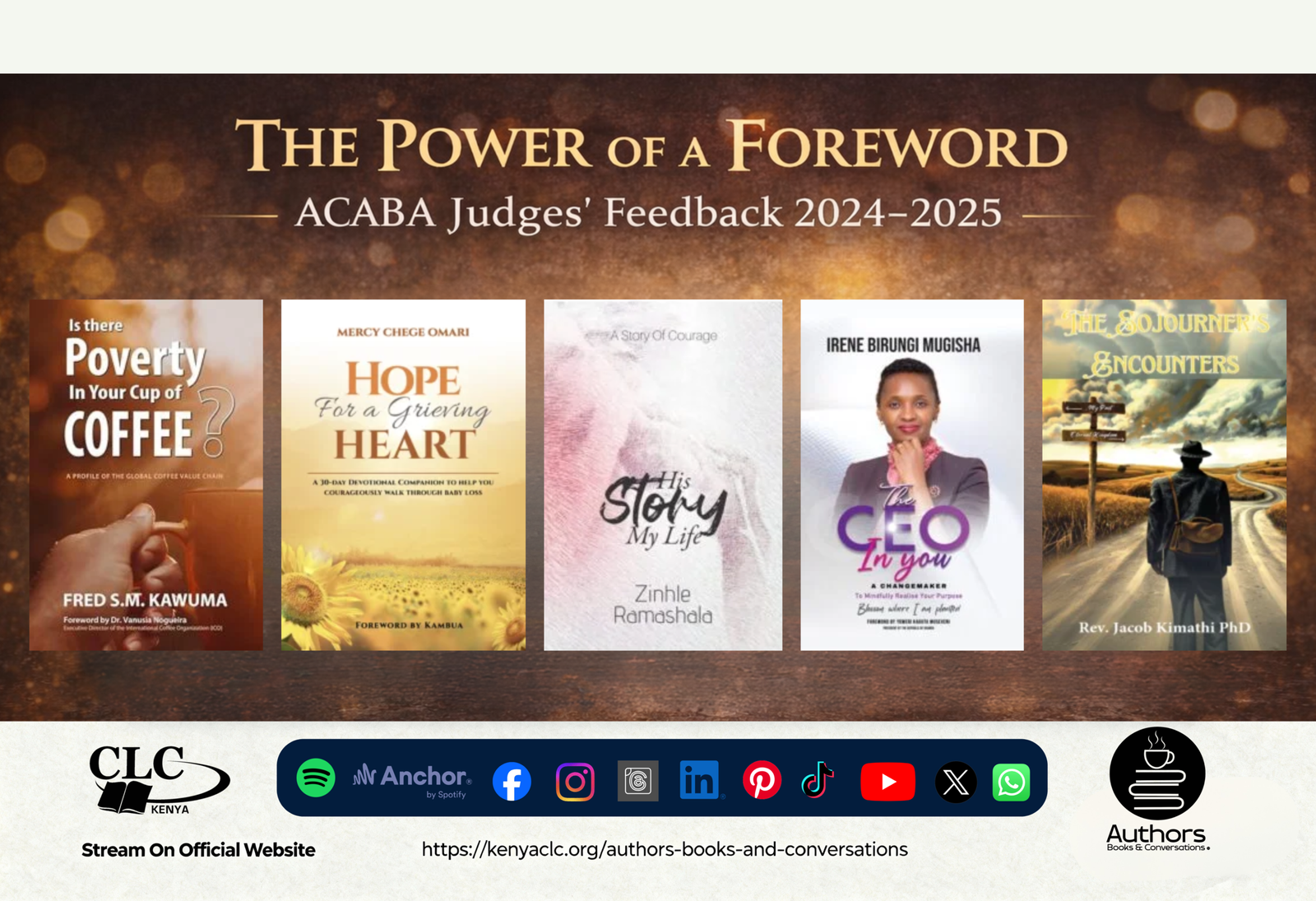
A well-written foreword can function as the ultimate third-party recommendation or endorsement for your book, generating interest and helping when it’s time to market your book. Here’s how to write one. #RaisingAfricanVoices
Read More5c: How to Write a Book Introduction
Are you stuck on writing your book introduction? Here's how to... Hook the reader right from the beginning with a personal story from your life, a funny story, a joke, or just an interesting fact that causes him/her to want to continue reading. Here’s how to write one. #RaisingAfricanVoices
Read More5d: How to Write a Book’s Conclusion
If your readers are in the conclusion chapter, it also means they read the whole book, they liked it, and now they want you to wrap it up. So don’t rash it. Give them what they want. Here’s how to write one. #RaisingAfricanVoices
Read More5e: How to Write an Author’s Bio
People are looking for reasons why they should spend their time reading what you have written. You need to instill confidence in your readers that you are knowledgeable on the subject matter by writing an appropriate bio. Here's how to write one. #RaisingAfricanVoices
Read More5f: How to Write a Book’s Blurb
A blurb is a short yet descriptive account of the book that goes on the back cover or within the book sleeve of a hardcover book. It includes any information that represents the book best and intrigues the readers and shoppers to pick the book off the shelves. Here's how to write one. #RaisingAfricanVoices
Read More5g: How to Write an Acknowledgment
An acknowledgment section in a book provides the space to go into lenghty details in thanking the people who were sources of inspiration and support for your book and life. Here'show to write one. #RaisingAfricanVoices
Read More5h: How to Write a Table of Contents
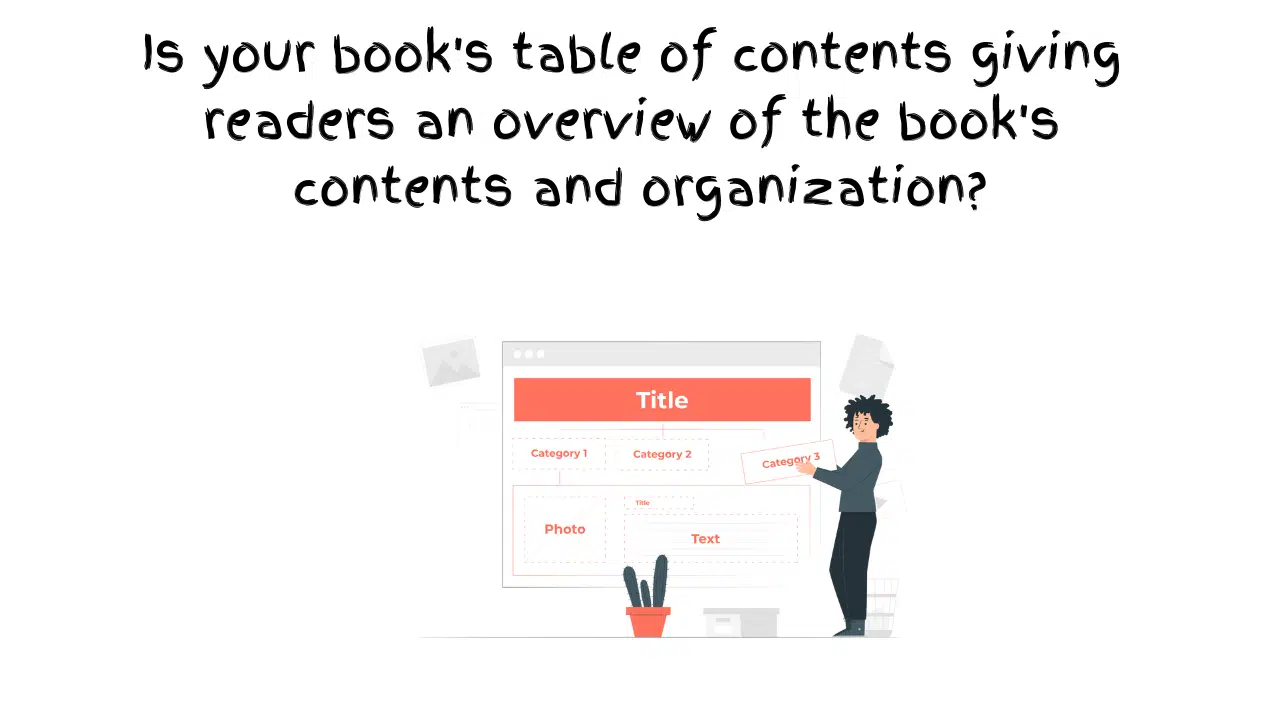
A table of content shows the things that are held or included in something. In the book industry, it is a list of the chapters or sections given at the front of a book or periodical. Here's how to write one. #RaisingAfricanVoices
Read More5i: How to Differentiate Between a Foreword and Endorsement

Foreword vs endorsement: what’s the difference? Discover their purpose, placement, length, and how each builds credibility and helps readers choose your book.
Read More5j: How to Profile Your Target Reader
Learn how to profile your target reader as an African author with simple, practical steps. This guide explains how to define your audience clearly so you can write with focus, use relevant examples, and market your book more effectively.
Read More5k: How to Start the First Sentence or Paragraph of Your Book
Practical writing tips for Christian authors on how to start the first sentence or paragraph of a book without overthinking. Learn simple opening styles, examples, and encouragement to begin your manuscript with clarity, confidence, and obedience.
Read MoreTechnical Skills: Publishing Books
Refining Your Manuscript
6a: How to Write a Devotional
A devotional book is a literary work designed to provide spiritual inspiration, guidance, and reflection for readers seeking to deepen their faith and relationship with God. Get started here. #RaisingAfricanVoices
Read More6b: How to Write a Captivating Novel

A great novel is a complex interplay of various elements, but some key components often contribute to its greatness. Get started here. #RaisingAfricanVoices
Read More6c: How to Use Dialogue in Story Writing
Effective dialogue is characterized by authenticity, clarity, and relevance to the story. It should sound natural and believable, reflecting the unique voices and perspectives of the characters. Dialogue tags, such as "said," "asked," and "replied," help identify speakers and maintain clarity in conversations. Get started here. #RaisingAfricanVoices
Read More6d: How to Use ‘Show Don’t Tell’ in Story Writing
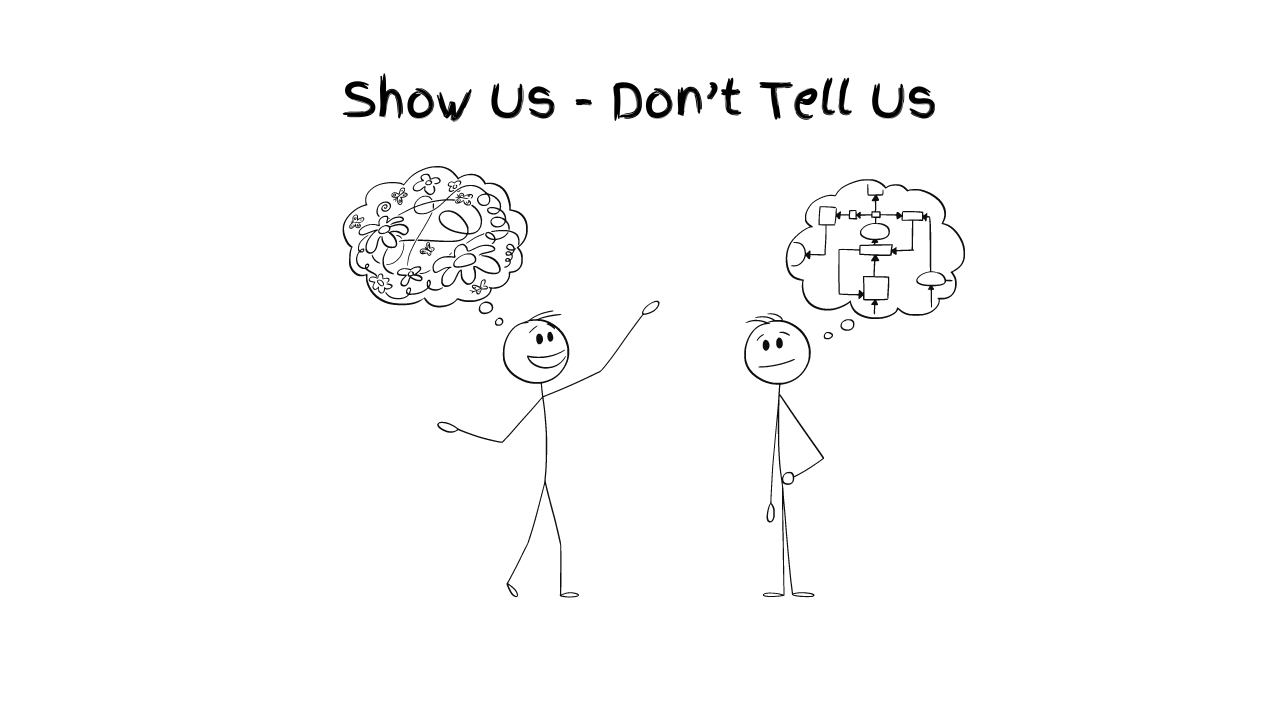
"Show don't tell" is a fundamental principle in storytelling that encourages writers to use descriptive language, actions, dialogue and scenes to reveal information to the reader, rather than simply telling them outright. Get started here. #RaisingAfricanVoices
Read More6e: How to Elevate a Non-fiction Christian Book to Make it Personal and Engaging

Transforming a flat non-fiction Christian book into an engaging and impactful read requires authenticity and connection. Share your personal testimony, use relatable real-life examples, and offer practical applications to make your message resonate. Being vulnerable about your faith journey fosters trust, while reflective questions and actionable steps encourage readers to apply the lessons to their own lives. Get started here. #RaisingAfricanVoices
Read More6f: How to Ethically Use Other People’s Public Stories in a Non-fiction Christian Book
Using public stories in your Christian book requires integrity and respect for the individuals involved. Always seek permission where possible, give proper attribution, and ensure the story aligns with your message while preserving the dignity of those featured. Avoid embellishment or distortion for dramatic effect, and focus on presenting truth with grace. By handling stories ethically, you honour both the subjects and your readers while maintaining your credibility as a Christian author. Get started here. #RaisingAfricanVoices
Read More6g: How to overcome the challenge of mixed languages in writing a manuscript
Writing a manuscript with mixed languages can be both enriching and challenging. To overcome this, establish clear guidelines for when and how to incorporate multiple languages. Use translations sparingly and only where necessary, ensuring they don’t disrupt the reader’s flow. Consider adding footnotes or a glossary for clarity and consistency. Tools like professional editors and language experts can help refine your manuscript while maintaining cultural authenticity. Get started here. #RaisingAfricanVoices
Read More6h: How to Peer Review Fiction and Non-Fiction Christian Literature Manuscripts
Peer reviewing Christian literature requires a thoughtful approach to ensure the manuscript aligns with Biblical principles while engaging readers effectively. For fiction, focus on character development, plot consistency, and spiritual themes. For non-fiction, assess clarity, theological accuracy, and practical application. Provide constructive feedback, highlighting strengths and offering actionable suggestions for improvement. A thorough peer review not only refines the manuscript but also upholds its spiritual impact. Get started here. #RaisingAfricanVoices
Read More6i: How to Ensure Diversity and Inclusion in Christian Writing
By embracing diverse voices, ensuring equitable access for underrepresented authors, and encouraging inclusive storytelling, authors and publishers can reflect the richness of God's Kingdom. This includes actionable strategies to amplify marginalized voices, promote cultural representation, and create a more inclusive literary ecosystem. With initiatives like multilingual publishing, fair contracting, and global partnerships, CLC Kenya leads the way in advancing DEI while staying true to Biblical principles. Get started here. #RaisingAfricanVoices
Read More6j: How to Use External Source Excerpts with Footnotes and Endnotes
Many writers think footnotes and endnotes belong only in academic writing, yet they can strengthen memoir, Christian non-fiction, and reflective books too. Here is a simple guide for African writers, with practical lessons from Jesus Killed My Business.
Read More6k: How Authors Should Mention Other People in Painful Stories
Learn how authors can write about real people in painful situations with wisdom, honesty, and grace. This post explores how to change names, stay objective, avoid slander, acknowledge personal responsibility, and tell difficult stories in a way that honours truth, protects others, and reflects Christian maturity.
Read More6l: How to Turn a True Story into Autobiographical Fiction: Practical Steps for Writing Painful Personal History Well
Learn practical ways to turn a painful true story into autobiographical fiction without losing its truth or lessons. This training article helps African writers change names, settings, timelines, and identifying details wisely, especially when writing about trauma involving close relationships, while protecting people and strengthening the story.
Read More6m: How to Differentiate Repetition from Emphasis: Helping African Writers Strengthen Their Message Without Tiring the Reader
African writers must learn the difference between repetition and emphasis if they want to keep readers engaged. This training article explains how to emphasize key concepts with clarity, rhythm, imagery, placement, and development without exhausting the reader through unnecessary repetition.
Read More6n: How to Use Transition Paragraphs in Your Writing
Learn how to use transition paragraphs effectively in your writing. This concise guide for authors explains how to introduce a story smoothly, move from story to application, and end one chapter while preparing readers for the next, with simple examples for each.
Read More6o: How to Paragraph Your Manuscript Well
Learn how to paragraph your manuscript in a simple, clear way. This short guide teaches authors to keep one paragraph to one idea, avoid crowding thoughts, and use clean paragraph breaks, with easy examples for Christian writers.
Read More6p: How to Handle Theology with Balance in Christian Writing
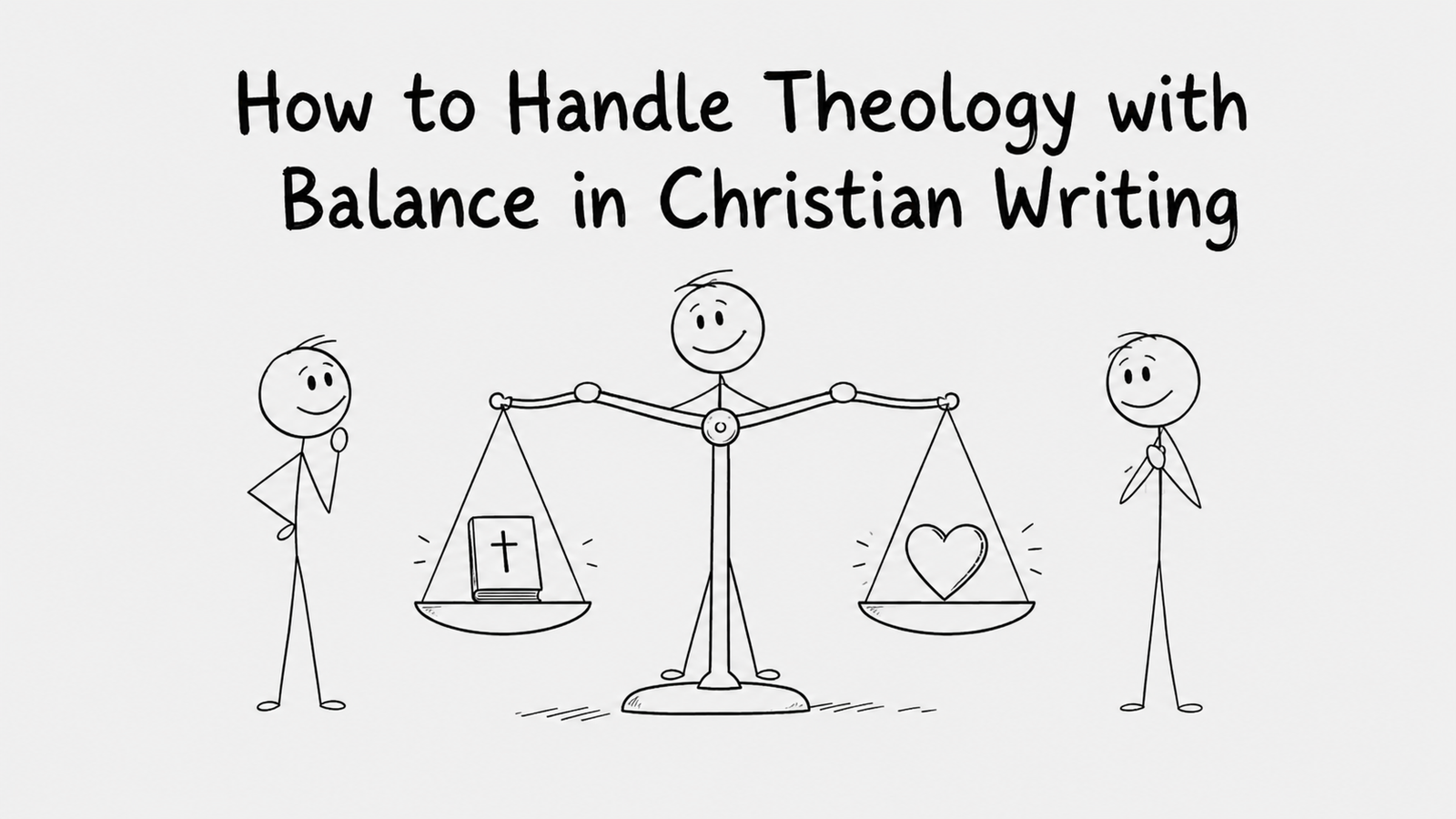
Christian authors must handle theology with both biblical truth and pastoral care. This article explains how to balance personal testimony, Scripture, exegesis, and reader application so Christian writing remains sound, compassionate, and helpful.
Read More6q: Spoken vs Written Language: Helping Authors Refine Their Voice for Book Form
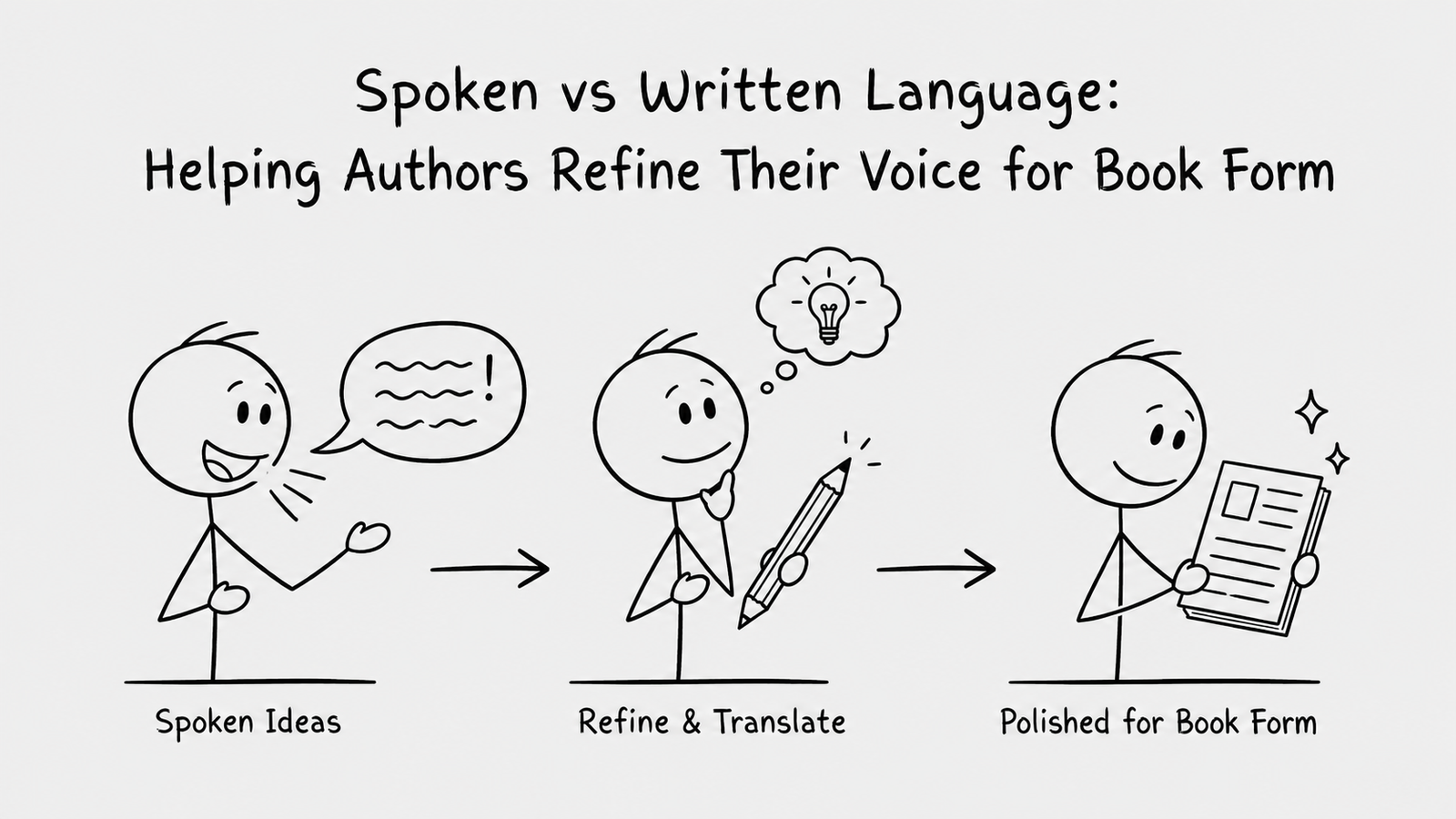
Many Christian manuscripts begin as sermons, testimonies, teachings, or spoken reflections. This article helps authors refine informal spoken language into clear, timeless book prose while preserving warmth, humour, personality, and authenticity.
Read MoreAdvanced Skills: Publishing Books
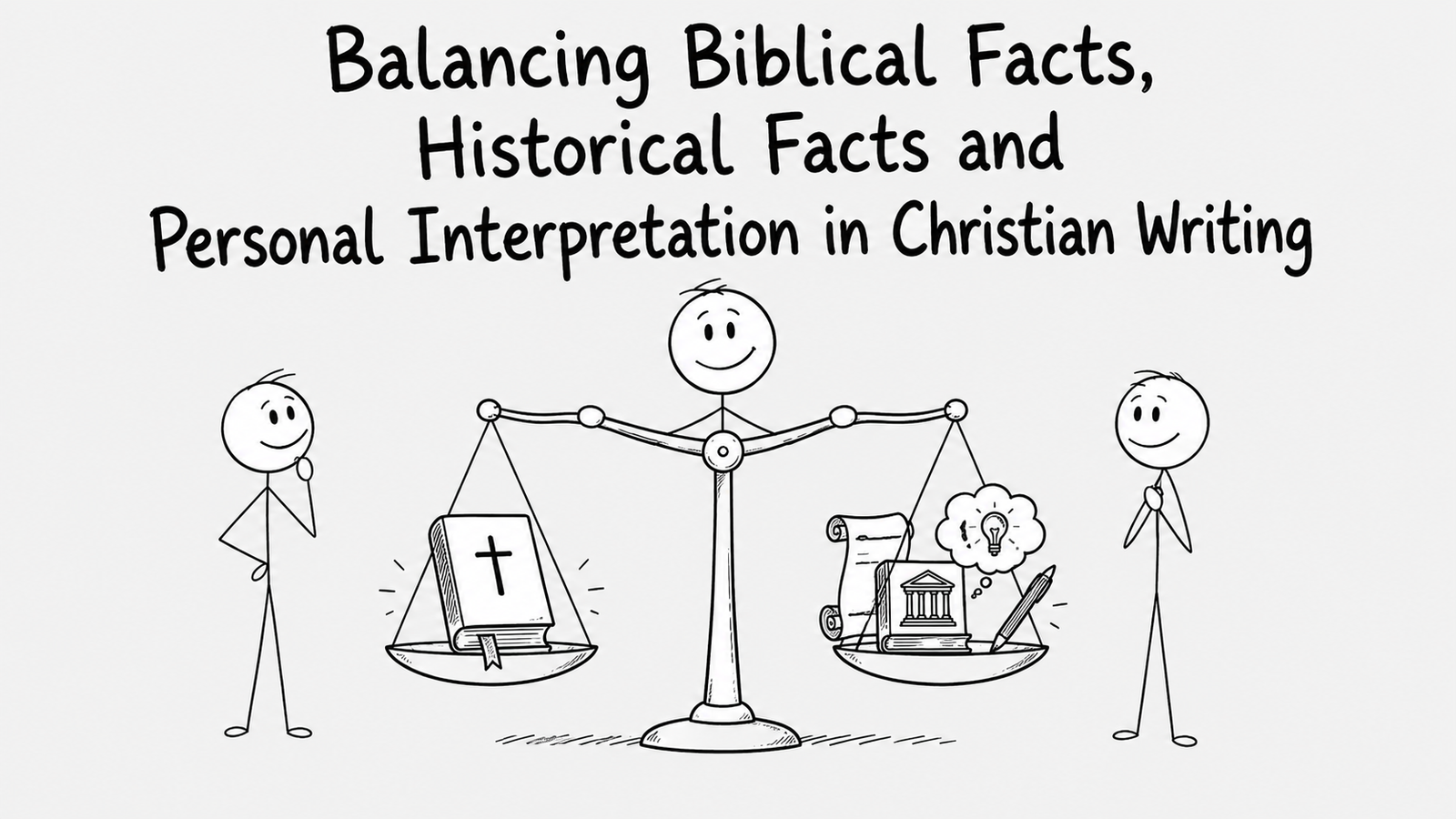
Going the Extra Mile
7a: Why Should a Non-Fiction Book Have a Subtitle?
A subtitle is a powerful tool for non-fiction books, offering clarity and appeal to potential readers. It provides additional context about the book's content, target audience, and benefits, helping it stand out in searches and on bookshelves. A well-crafted subtitle enhances discoverability, boosts SEO, and communicates your book's value in just a few words. Learn More Here. #RaisingAfricanVoices
Read More7b: Why is Organising Your Non-Fiction Into Chapters Important?

Organising your non-fiction book into clear, well-structured chapters enhances readability, engagement, and comprehension for your audience. Chapters create a logical flow, making complex ideas easier to digest while guiding readers through your message step by step. A structured layout also improves your book's professional appeal and allows readers to quickly locate topics of interest. Learn More Here. #RaisingAfricanVoices
Read More7c: Why Self-Edit Your Book Before Submitting it for Publishing?
Self-editing is a crucial step before submitting your manuscript for publishing. It allows you to refine your ideas, correct errors, and enhance the overall quality of your work. A well-edited manuscript not only demonstrates professionalism but also makes the publishing process smoother and more efficient. From grammar to flow and consistency, self-editing ensures your book is the best version of itself before reaching an editor's desk. Learn More Here. #RaisingAfricanVoices
Read More7d: Why is The Art of the Author Photo Important? Essential Specs for a Professional and Polished Image

Professional photos on a book’s back page play a crucial role in an author’s branding and marketing strategy. Learn More Here. #RaisingAfricanVoices
Read More7e. Why Professional Layout Is Non-Negotiable for African Christian Authors: Publishing With Excellence
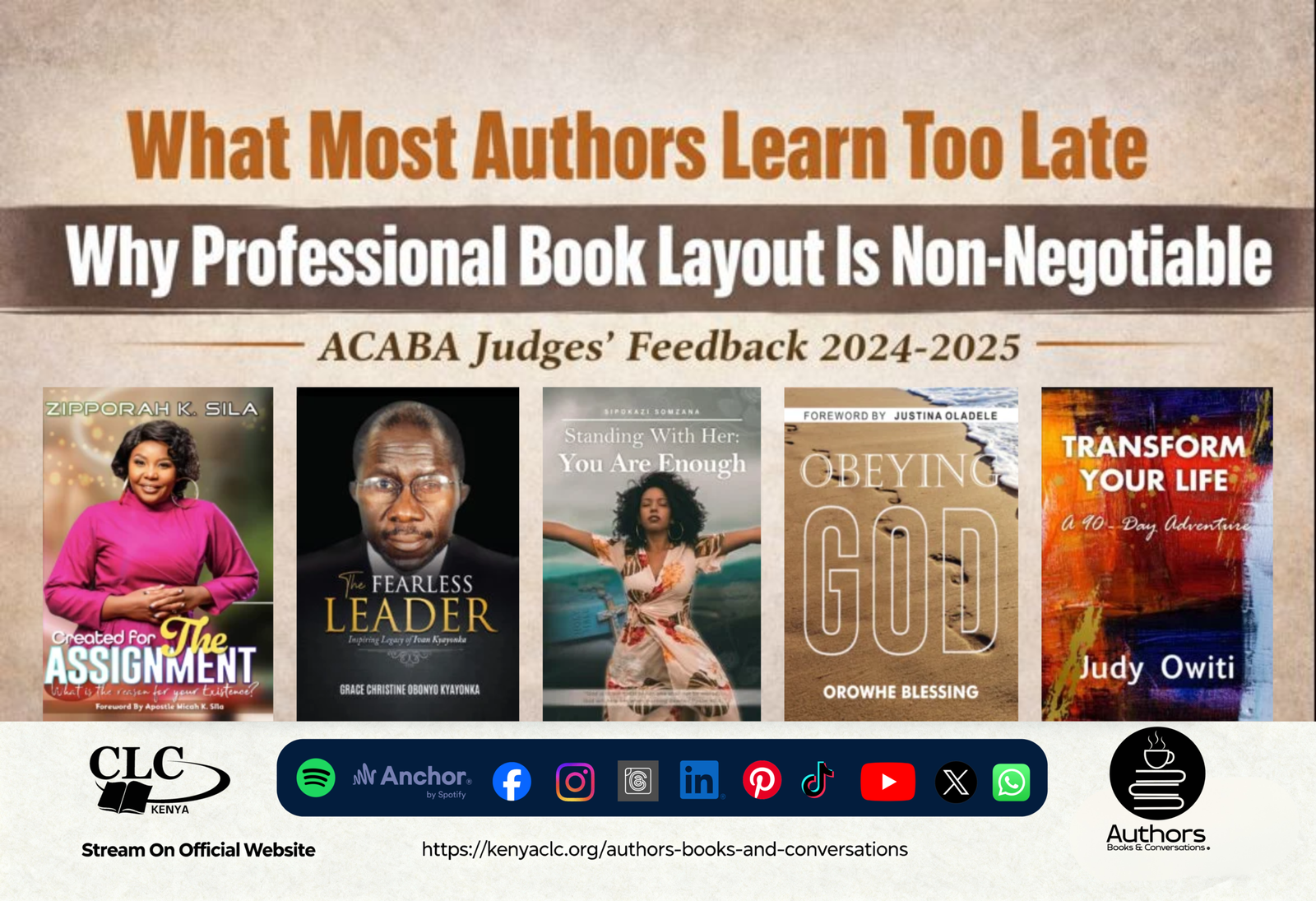
Why professional book layout is non-negotiable for African Christian authors. Learn how industry-standard layout protects your message, credibility, reader experience, and publishing excellence from manuscript to marketplace.
Read More7f: Book Covers: Why They Matter for Every Author
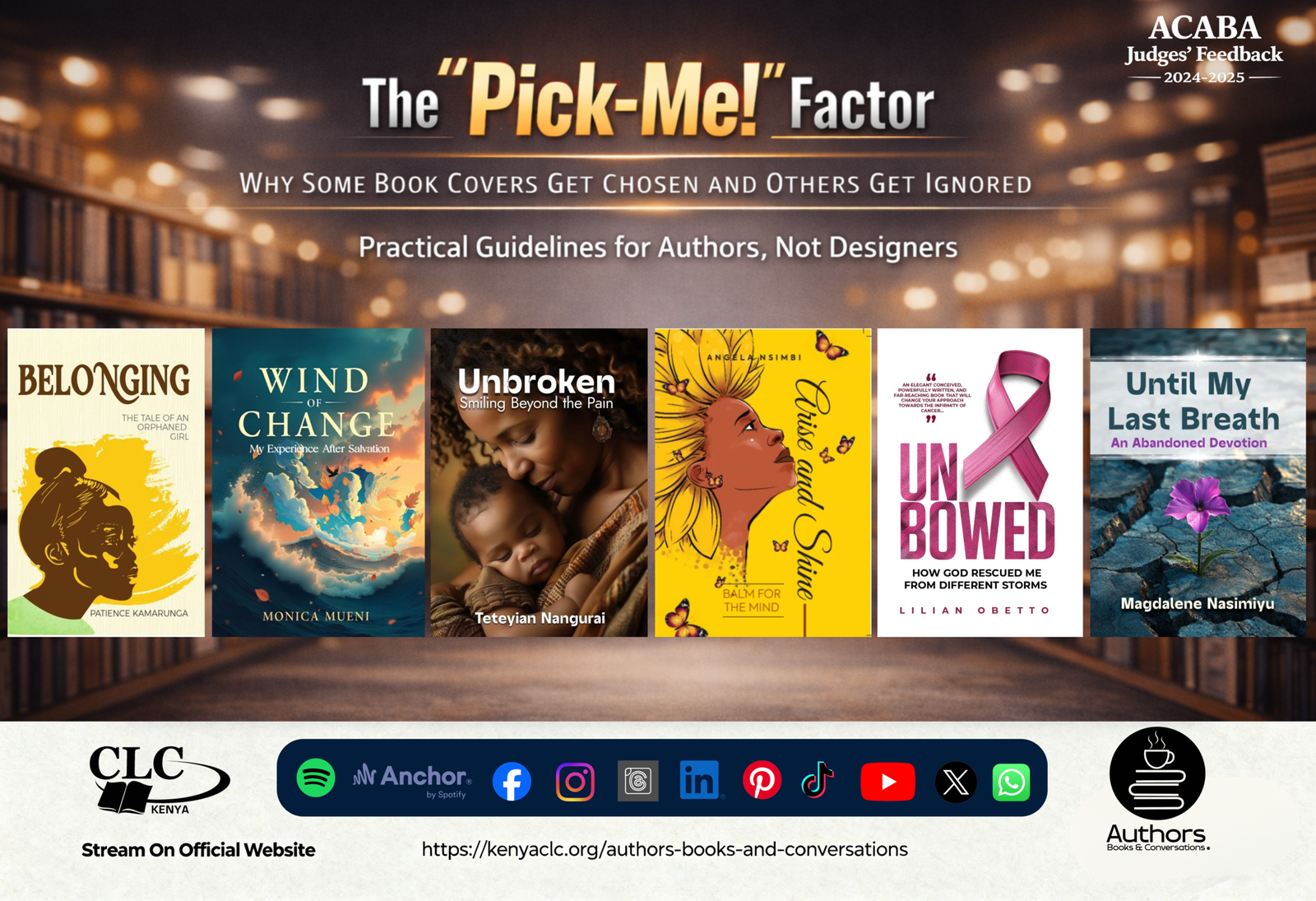
Your book cover is not decoration—it is your book’s first decision-maker. Discover why covers matter for trust, genre clarity, and sales, plus common mistakes authors can avoid and a practical checklist for creating a cover readers choose, not ignore. Learn More Here. #RaisingAfricanVoices
Read More7g: Why Consistency in Every Session Matters: Writing Workbooks Well
Learn practical workbook writing tips for African authors, with a focus on consistency in every session. Discover how clear structure, repeated formats, and reader expectations can make your workbook more engaging, professional, and effective.
Read More7c-practical1: Train Your Ears to Edit: How African Writers Can Listen to Their Manuscripts Using MS Word Read Aloud

Learn how to use MS Word’s Read Aloud feature to listen to your manuscript, catch awkward sentences, improve flow, sharpen dialogue, and edit your writing more effectively as an African author.
Read More7b-Practical1: Why a Strong Chapter Structure Matters
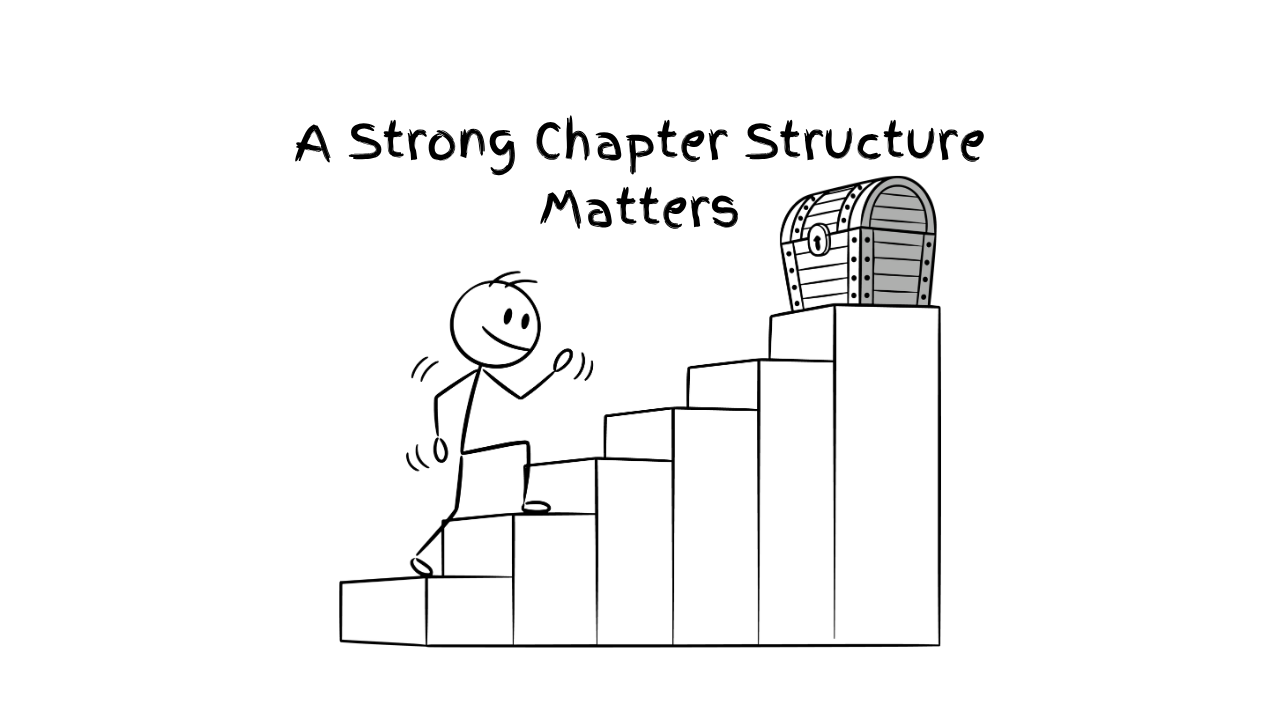
A well-structured chapter helps your reader follow your message with ease. This simple guide shows writers how to build a chapter that flows from introduction to teaching, story, application, reflection, and prayer.
Read MoreContractual Skills: Publishing Books
Be Informed (Not Legal Advice)
8a: Why Every Author Needs a Non-Disclosure Agreement (NDA)
Protect your intellectual property with a Non-Disclosure Agreement (NDA) in publishing! An NDA safeguards your manuscripts and creative ideas by establishing confidentiality between authors, publishers, and editors. It ensures your work isn't misused, offers legal protection, and secures your publishing journey. Learn how to prevent unauthorized use of your content, why documentation is essential, and how trusted publishers like CLC Kenya provide sample NDAs to keep your work safe. Don't let your hard work go unprotected—explore the importance of NDAs today! Here’s what you need to know. #RaisingAfricanVoices
Read More8b: What to Include in the Copyright Page and Complete the Copyrighting Process
Copyright law gives creators of original material the exclusive right to further use and duplicate that material for a given amount of time, at which point the copyrighted item becomes public domain. Here's what you need to know. #RaisingAfricanVoices
Read More8c: Terms and Conditions for Traditional Publishing/Adapting Existing Books into Other Versions

Adapting existing books into new versions, such as translations, audiobooks, or special editions, requires clear terms and conditions in traditional publishing agreements. These terms outline rights, royalties, and responsibilities for both the author and publisher, ensuring a smooth adaptation process. Properly defined agreements protect the integrity of the original work while maximising its reach and impact across different formats. Here’s what you need to know. #RaisingAfricanVoices
Read More8d: How to Publish a Book with Multiple Stakeholders: Best Practices for Rights Ownership, Expenses and Recognition

Publishing a book with multiple stakeholders requires clear communication and well-defined agreements to ensure smooth collaboration. Establish ownership rights, allocate expenses transparently, and outline recognition for each contributor's role. Best practices include drafting detailed contracts, maintaining open communication, and resolving disputes amicably. These steps protect relationships while ensuring the book's success. Here’s what you need to know. #RaisingAfricanVoices
Read More8f. How to Write a Contributor Consent Form for a Memoir Book

Publishing a book with multiple stakeholders requires clear communication and well-defined agreements to ensure smooth collaboration. Establish ownership rights, allocate expenses transparently, and outline recognition for each contributor's role. Best practices include drafting detailed contracts, maintaining open communication, and resolving disputes amicably. These steps protect relationships while ensuring the book's success. Here’s what you need to know. #RaisingAfricanVoices
Read More8e: How to Get ISBN in Kenya and Other African Countries
Publishing a book with multiple stakeholders requires clear communication and well-defined agreements to ensure smooth collaboration. Establish ownership rights, allocate expenses transparently, and outline recognition for each contributor's role. Best practices include drafting detailed contracts, maintaining open communication, and resolving disputes amicably. These steps protect relationships while ensuring the book's success. Here’s what you need to know. #RaisingAfricanVoices
Read More8f: How to Ethically and Legally Use Free or Unpaid Images in Your Book
Learn how to use free images for your book ethically and legally by checking licences, reading the fine print on sites like Unsplash and Freepik, and knowing when paid or AI-generated images are the wiser choice.
Read MoreSubscribe for wholesome content!