
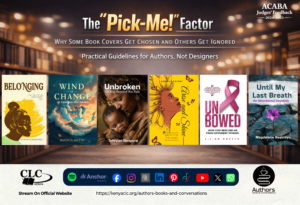
7f: Book Covers: Why They Matter for Every Author
Your book cover is not decoration—it is your book’s first...
Read More

5i: Difference Between a Foreword and Endorsement
Foreword vs endorsement: what’s the difference? Discover their purpose, placement,...
Read More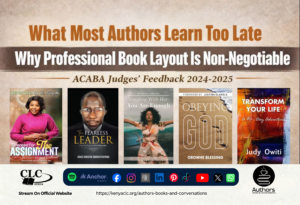
7e. Why Professional Layout Is Non-Negotiable for African Christian Authors: Publishing With Excellence
Why professional book layout is non-negotiable for African Christian authors....
Read More
From One Struggling Writer to a Movement of Many: The Story of the CLC Writing Class
When Dr. Muthoni Omukhango began her journey as a writer,...
Read More
8e: How to Get ISBN in Kenya and Other African Countries
Publishing a book with multiple stakeholders requires clear communication and...
Read More8f. How to Write a Contributor Consent Form for a Memoir Book
Publishing a book with multiple stakeholders requires clear communication and...
Read More
8d: How to Publish a Book with Multiple Stakeholders: Best Practices for Rights Ownership, Expenses and Recognition
Publishing a book with multiple stakeholders requires clear communication and...
Read More
8c: Terms and Conditions for Traditional Publishing/Adapting Existing Books into Other Versions
Adapting existing books into new versions, such as translations, audiobooks,...
Read More
7d: The Art of the Author Photo: Essential Specs for a Professional and Polished Image
Professional photos on a book’s back page play a crucial...
Read More
6i: How to Ensure Diversity and Inclusion in Christian Writing
By embracing diverse voices, ensuring equitable access for underrepresented authors,...
Read More
6h: How to Peer Review Fiction and Non-Fiction Christian Literature Manuscripts
Peer reviewing Christian literature requires a thoughtful approach to ensure...
Read More
6g: How to overcome the challenge of mixed languages in writing a manuscript
Writing a manuscript with mixed languages can be both enriching...
Read More
6f: How to Ethically Use Other People’s Public Stories in a Non-fiction Christian Book
Using public stories in your Christian book requires integrity and...
Read More
6e: How to Elevate a Non-fiction Christian Book to Make it Personal and Engaging
Transforming a flat non-fiction Christian book into an engaging and...
Read More
6d: How to Use ‘Show Don’t Tell’ in Story Writing
"Show don't tell" is a fundamental principle in storytelling that...
Read More
6c: How to Use Dialogue in Story Writing
Effective dialogue is characterized by authenticity, clarity, and relevance to...
Read More
6b: How to Write a Captivating Novel
A great novel is a complex interplay of various elements,...
Read More
7c: Why Self-Edit Your Book Before Submitting it for Publishing?
Self-editing is a crucial step before submitting your manuscript for...
Read More
7b: Why Organising Your Non-Fiction Into Chapters Is Important
Organising your non-fiction book into clear, well-structured chapters enhances readability,...
Read More
7a: Should a Non-Fiction Book Have a Subtitle?
A subtitle is a powerful tool for non-fiction books, offering...
Read More
5g: How to Write an Acknowledgment
An acknowledgment section in a book provides the space to...
Read More
8b: What to Include in the Copyright Page and Complete the Copyrighting Process
Copyright law gives creators of original material the exclusive right...
Read More

8a: Why Every Author Needs a Non-Disclosure Agreement (NDA)
Protect your intellectual property with a Non-Disclosure Agreement (NDA) in...
Read More
5e: How to Write an Author’s Bio
People are looking for reasons why they should spend their...
Read More
5d: How to Write a Book’s Conclusion
If your readers are in the conclusion chapter, it also...
Read More
5c: How to Write a Book Introduction
Are you stuck on writing your book introduction? Here's how...
Read More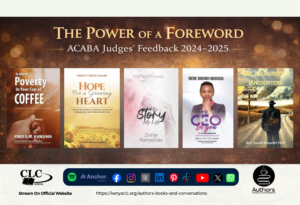
5b: How to Write a Book’s Foreword
A well-written foreword can function as the ultimate third-party recommendation...
Read More
Step4b: Publishing Steps – Review
Is your manuscript due for a review towards getting published?...
Read More

Step3: Factors to Consider Before Self Publishing
Jesus, while talking to the disciples about following Him, asked...
Read More
Step2: Let’s Talk About Publishing
The self-publishing landscape has changed considerably in the past two...
Read More
Step1: Prepare Yourself to Get Published…
Are you ready to publish your book? Here is how...
Read MoreSubscribe for wholesome content!