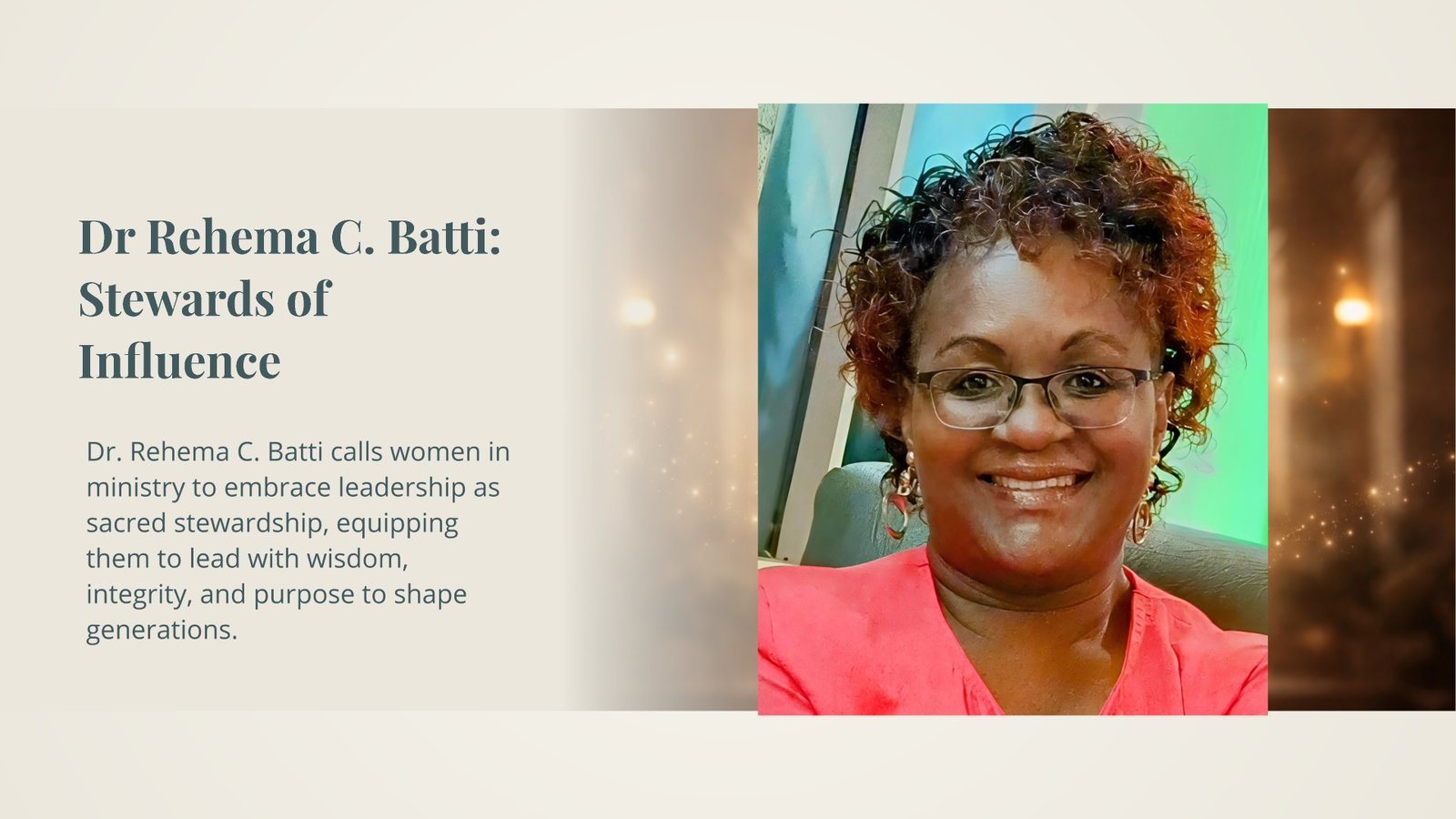
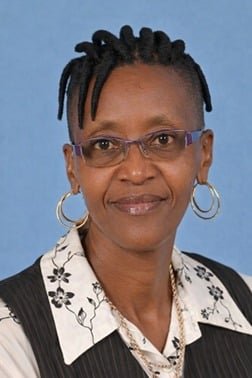
I am Dr. Rehema C. Batti, a born-again Christian, a wife, and a mother of three. I am a trainer and a writer who is deeply passionate about expressing ideas in ways that are both relevant and impactful. My writing journey began during my university years, where my involvement in Sunday School ministry led me to start a Saturday Bible Club for children.
At the time, I faced a significant challenge: there were no structured materials to guide the sessions. Recognising the need, I began to observe the children’s spiritual needs and intentionally developed handwritten content to support teachers in discipling them to build their faith in Jesus Christ.
Although I later considered transforming this material into a book, I did not have the necessary support to publish it. Unfortunately, the manuscript, written in a simple exercise book, was eventually lost. Looking back, it was a humbling experience, but also a foundational one that planted the seed for my writing journey.
I resumed writing again between 2014 and 2017, this time drawing from my professional and field experiences. With greater clarity and determination, I was able to develop and successfully self-publish four books with Amazon.
Interestingly, and I write this with a smile, between 2023 and 2025, God clearly had writing plans for me that I had not fully scheduled for myself! In 2023, I was led to develop a training manual for Sunday School teachers, still unpublished, which, by God’s grace, has been actively used in my local church since then to train and equip teachers for children’s ministry.
Then, just when I thought I had done “enough writing for a while,” 2025 came along and the Holy Spirit said, we are not done yet. That same leading resulted in the writing, publishing, and launching of my first Christian book, Treasure in the Sack: Unpacking Divine Blessings Beyond Our Expectation.
I am particularly drawn to storytelling and content that inspires transformation, especially in areas of personal growth, community development, leadership, and faith. Over time, my experience in writing has evolved through exploring different forms of content, from reflective and thought-based writing to structured, purpose-driven pieces.
Beyond writing, I value engaging with platforms that enrich and sharpen my ability to communicate effectively to different audiences. Therefore, a key aspect of my journey has been a commitment to learning as a foundation for content creation. This is one of the reasons I enrolled in the CLC 2026 writing class.
What I Was Writing About and My Motivation
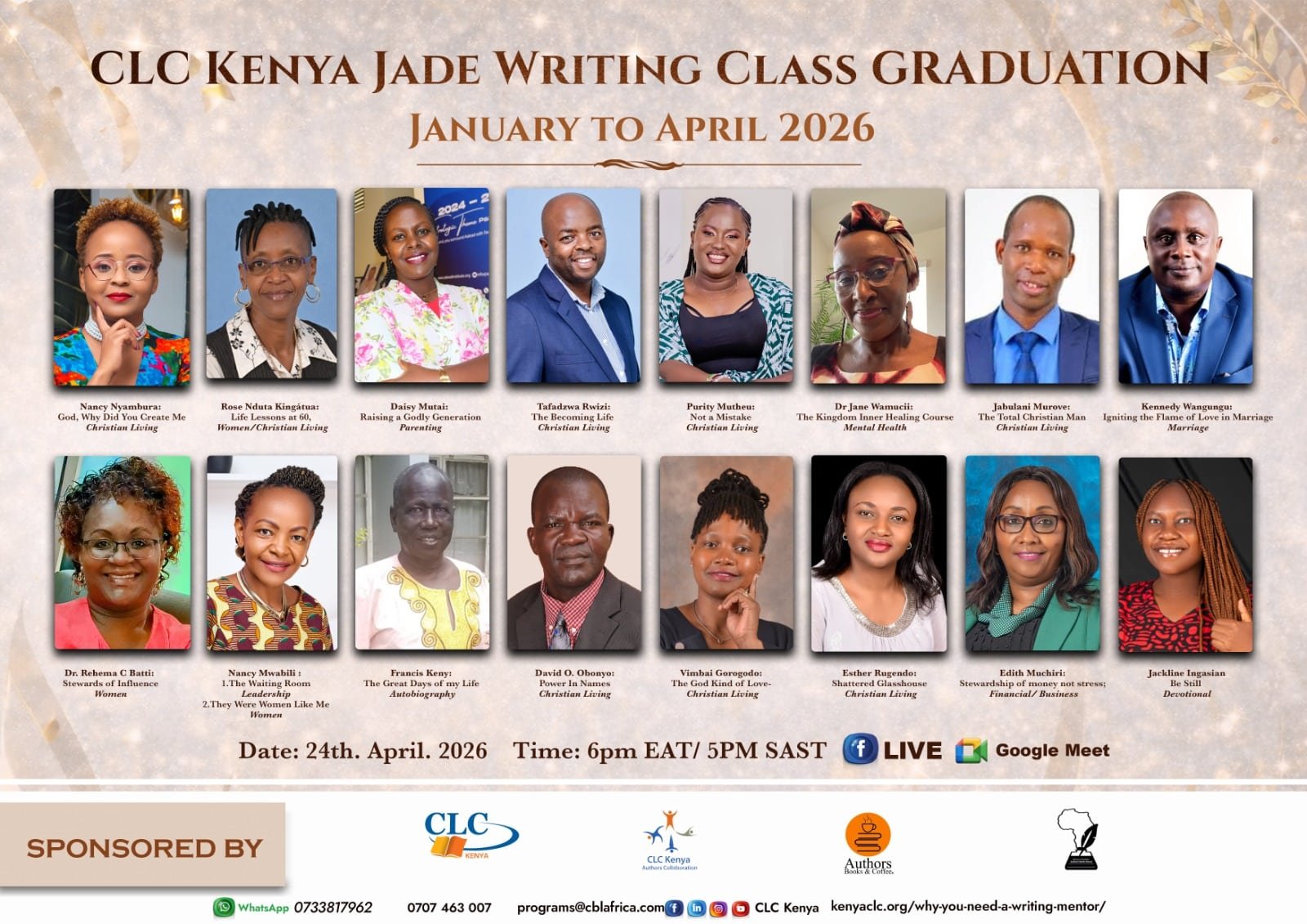
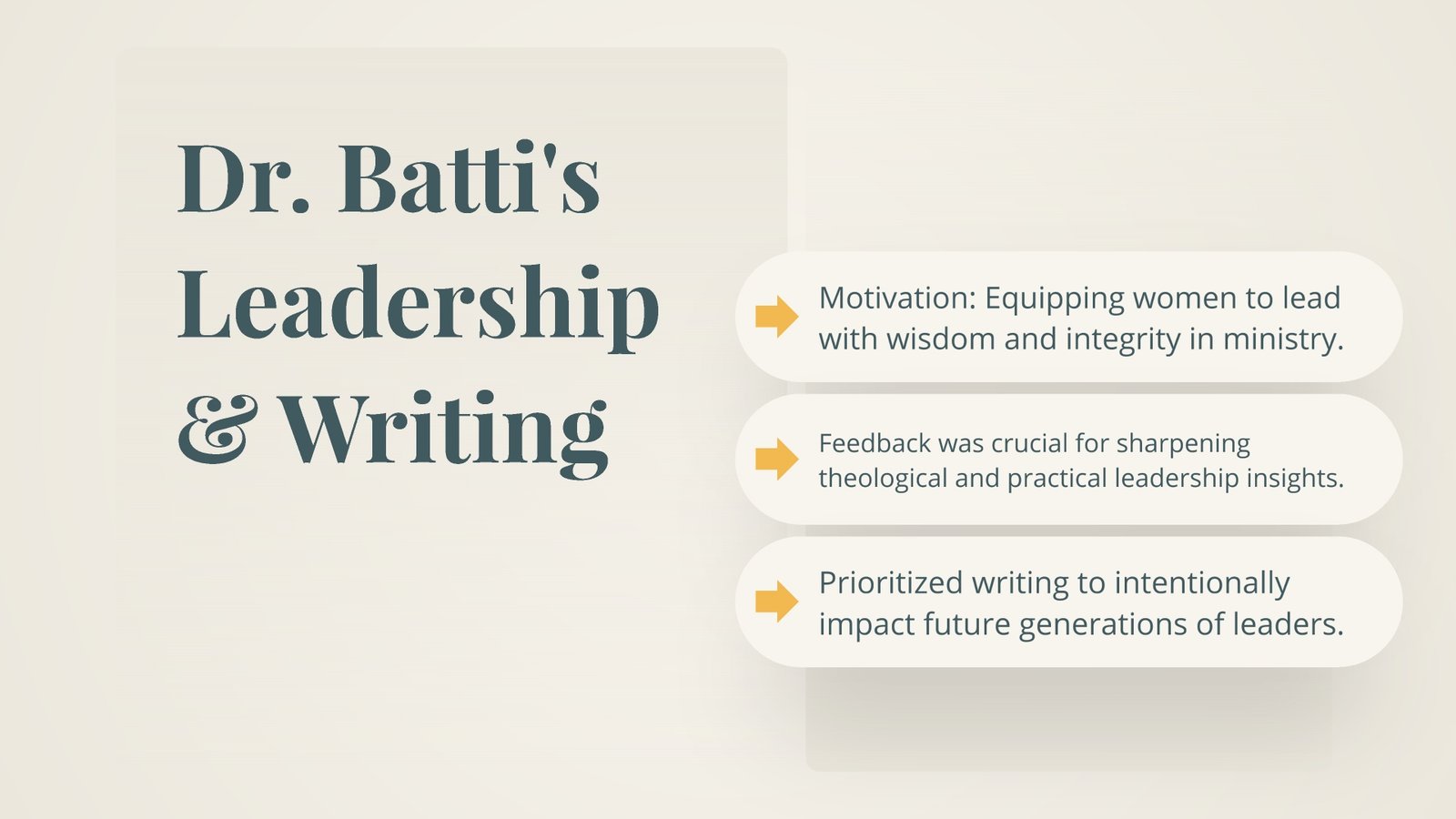
My book focuses on women’s leadership within a ministry context, with a strong emphasis on stewardship-based leadership. It explores how women can lead with clarity of purpose and lasting impact by embracing their God-given abilities, rather than striving under pressure or external expectations.
The book is centred on helping women transition from self-reliance to God-dependence. It emphasises the importance of allowing God to shepherd their purpose, set their pace, and order their priorities, rather than leading from pressure, outdated practices, or unrealistic expectations.
The message encourages women to develop and nurture their leadership on a spiritual foundation that sustains both their effectiveness and their well-being. By doing so, women are able to lead with clarity and impact while also experiencing spiritual fulfilment, inner peace, and personal growth. At its core, the book addresses challenges many women in ministry face, such as leadership wounds, burnout, overextension, and the weight of responsibility.
My motivation was based on the need to offer a different perspective: one that encourages women to lead not from unfounded societal expectations or leadership theory biases, but from a place of spiritual alignment and dependence on God. By reframing leadership as stewardship, the book emphasises that leadership is not about control or performance, but about faithfully managing what has been entrusted to us by God.
I was also inspired to write from a place of conviction and purpose, to address challenges women face in leadership and offer a faith-centred approach that leads to both effectiveness and spiritual fulfilment.
Habakkuk 2:2 says, “Write the vision and make it plain… so that a herald may run with it.” First, “write the vision” speaks to the importance of capturing what God reveals. What God reveals is not meant to remain abstract or internal; it requires documentation.
“Making it plain” meant adopting biblical truth, sharing experiences, and highlighting personal reflections, both as a leader and follower, so that women can confidently embrace their leadership journey. The book is both a guide and an encouragement, inviting women in ministry to lead with intention through cultivating a leadership style that is deeply rooted in biblical principles, sustains their well-being, and enriches their Kingdom impact.
The goal was to create content that does more than inform; content that equips, encourages, and empowers.
Encountering Writer’s Block
Yes, I did experience writer’s block at times. I managed it by taking short breaks, reading other books and writers’ work for inspiration, and allowing myself to write freely without overthinking perfection, a valuable lesson gained during one writing class session.
Sometimes, simply starting with rough ideas helped me regain momentum and clarity. But again, the most important thing of all was praying and asking the Holy Spirit to reframe my thoughts and provide content that would be useful and aligned to His purpose, a reminder that was highlighted in a class session.
Handling Feedback During the Writing Class Journey
Feedback was an integral part of the journey from the very beginning. The weekly sessions, guided and facilitated by Dr. Muthoni and the CLC team, provided consistent, structured input that played a critical role in shaping and polishing my manuscript. Each session offered not just information, but direction, helping me see my work more clearly and refine it with purpose.
I embraced the manuscript peer review process as a refining fire. One that does not just expose weaknesses, but transforms good writing into impactful, purpose-driven work. I therefore approached the peer review process with an open and teachable mindset, recognising that growth in writing requires both humility and intentional improvement.
Positive feedback gave me confidence and affirmed the strengths in my writing, while constructive criticism challenged me to think deeper, write clearer, and align my message more effectively with my intended audience.
I learned to separate my identity from my work. This allowed me to receive feedback without defensiveness and instead view it as a tool for refinement. I really appreciated the feedback as a mentorship process that guided me towards excellence rather than discouraging me.
Anchoring this process in Psalm 45:1, “My heart is stirred by a noble theme…”, I was reminded by this verse that writing is both inspired and requires guided expression. While the heart may be stirred with a message, becoming a “skilful writer” requires humility, learning, and refinement.
In the end, the feedback process became a powerful catalyst that not only improved my manuscript, but also strengthened my confidence as a writer.
Prioritising My Writing Journey and Other Commitments
Prioritising my writing journey required both intentional structure and a shift in mindset. I began by leveraging a scheduling template provided by the CLC team, which helped me map out dedicated writing time without completely abandoning my other responsibilities, because, unfortunately, life does not pause just because inspiration has arrived! This gave me clarity on how to integrate writing into my life, rather than treating it as an optional activity.
I realised that effective prioritisation is less about having more time and more about managing energy, focus, and consistency. I set realistic, achievable writing goals for each week and learned to treat writing as a non-negotiable commitment, because if I waited for the perfect mood, my manuscript might still be in the introduction chapter.
This meant creating boundaries around my writing time, minimising distractions, and showing up even on days when motivation was low. It was not easy. Practically, I adopted habits that supported my discipline, such as:
Breaking the manuscript into manageable sections, which made progress feel attainable.
Keeping a running list of ideas to avoid losing inspiration.
Revisiting and refining content in stages rather than striving for perfection in one sitting.
Finally, I was intentional in giving myself grace and flexibility when needed, without losing sight of the bigger goal. The key was not to quit, but to eventually come back to it. I had to occasionally take a cup of my favourite coffee and, from time to time, have a firm talk with procrastination.
My Experience in the Jade Writing Class
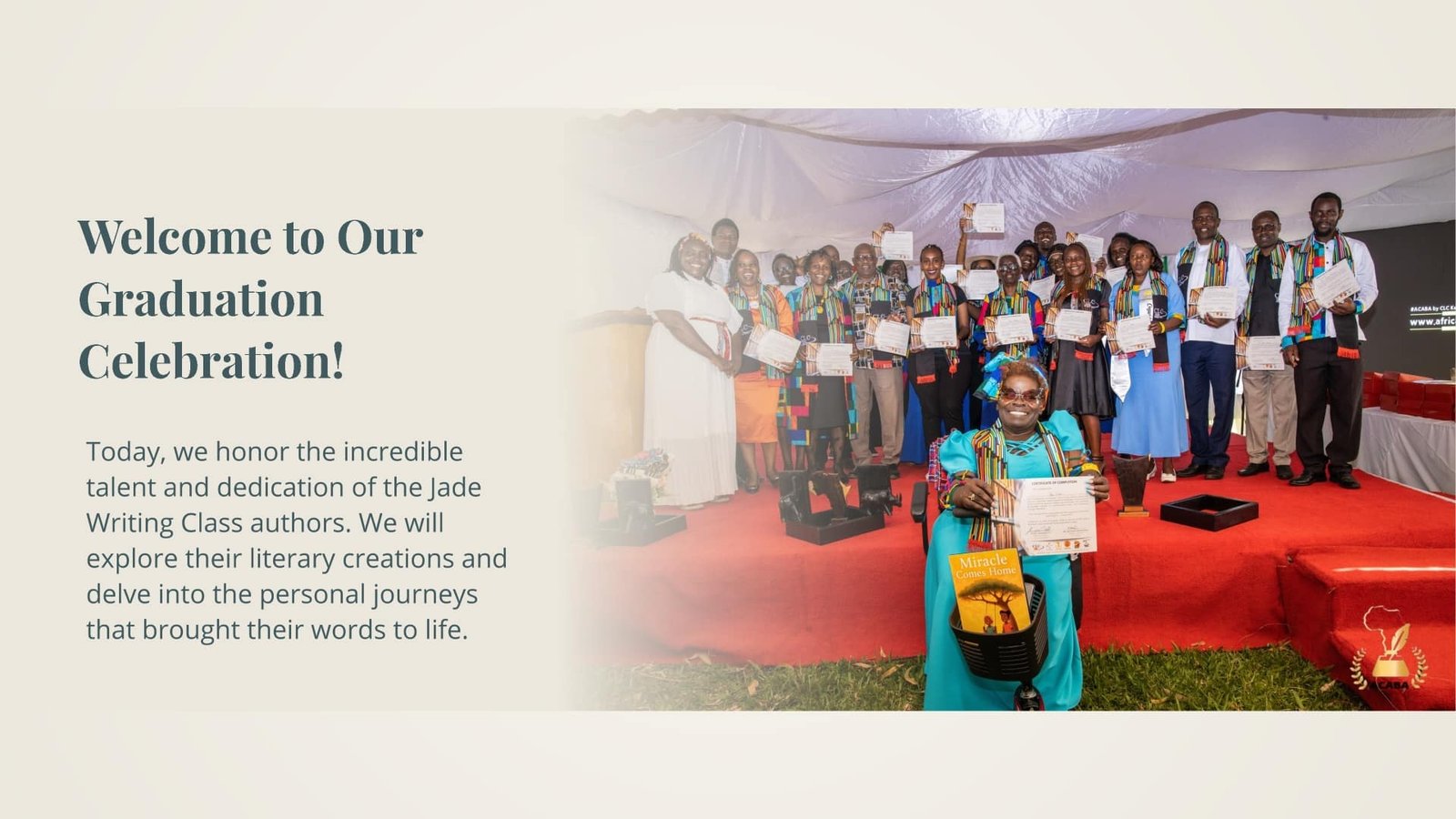
Being my maiden journey writing Christian literature, my experience in the Jade Writing Class was both enriching and truly transformative. It was more than just a learning space. It was a structured environment that intentionally nurtured growth, discipline, and clarity in writing, with just the right amount of stretching that every writer secretly needs, even if we do not admit it at first!
The combination of guided sessions, practical tools, and consistent feedback helped me move from simply having ideas to articulating them with clarity and precision.
One of the most valuable aspects of the class was how it translated theory into practice. For example, I learned how to:
Organise my thoughts into a coherent manuscript structure.
Write with a clear audience in mind, which improved the relevance and impact of my content. It turns out, “not everyone” is a target audience!
Review and edit my work effectively, turning draft sentences and paragraphs into refined, meaningful pieces. First drafts are sometimes enthusiastic suggestions!
The feedback process was also instrumental. It helped me identify gaps in clarity, tone, and flow, areas I might not have noticed on my own. This not only improved my writing skills, but also strengthened my message, built my confidence, and sharpened my unique voice as an author.
What made the journey even more meaningful was how it aligned with a deeper purpose. The experience reminded me of the scripture in Exodus 4:12: “Now go; I will help you speak and will teach you what to say.” The scripture reinforces a guiding principle that writing is not just a skill, but also a calling that flourishes when grounded in faith and intentionality.
Overall, the class was highly beneficial and equipped me with both the technical skills and the mindset needed to grow as a Christian writer. Whether someone is just starting out or looking to refine their skill, this writing class can significantly accelerate their journey.
I would wholeheartedly recommend this writing class to anyone who desires to:
Bring structure to their ideas.
Grow in confidence and consistency, and a bit of resilience too!
Receive constructive, growth-oriented feedback.
Become more effective in communicating their message through literature.
In short, a class like this is not just helpful, but necessary. While talent is great, guided practice and a little constructive pressure are what actually get the book written!
A Word for Aspiring Writers and Beginning Authors
Defining your voice is not some mystery. It is formed through the choices you make every time you write: your words, patterns, and perspective. A writing class is where you stop waiting for your voice to magically appear and start building it with purpose.
With intentional guidance, honest feedback, and a structured process, you begin to see your rhythms and sharpen them into something clear and powerful. But it does not end with technique; you are invited to bring the Holy Spirit into your writing process, allowing your voice to grow beyond style into alignment with a greater divine message.
As Scripture reminds us, “The Spirit of the Lord spoke through me…” (2 Samuel 23:2). As you use the tools given and lean towards the Holy Spirit’s guidance, you learn what to keep, refine, and release, so your writing carries truth with clarity and purpose.
In the end, you are not just developing a voice people recognise. You are cultivating one that is intentional, grounded, and aligned with something far greater than yourself: God.
Closing Reflection
My writing journey is a beautiful reminder that when God entrusts a message to a writer, He also provides the grace, guidance, discipline, and community needed to steward it well. Through CLC Kenya’s Jade Writing Class, my ideas were sharpened, my manuscript refined, and my confidence strengthened. My testimony calls every aspiring Christian writer to write the vision, make it plain, and trust God to use their words for lasting Kingdom impact.


















[…] Plan on YouVersion → View Author Feature → Author HighlightMonica […]